Empowering Patients: Navigating Cancer Care with Support, Knowledge, and Hope
In the labyrinth of cancer care, feeling lost is a common sentiment among patients and their families. Your cancer diagnosis might feel like a sudden storm, threatening to sweep away your plans for the future. But what if, amid the turbulence, you discovered that knowledge could be your umbrella? By empowering yourself through education on oncology, cancer prevention, and treatment options like chemotherapy, radiation therapy, and immunotherapy, you can embark on a journey filled with resilience and hope. Remember the words of Maya Angelou: 'Nothing will work unless you do.' Let's explore essential tools that can help you navigate your cancer journey with confidence.
The first step in empowering yourself is understanding the nuances of your treatment options. Each patient's journey is unique, and treatment can include a variety of modalities tailored to individual needs. For instance, while chemotherapy and radiation therapy are common in managing malignant tumors, advancements in immunotherapy and targeted therapies are reshaping cancer care. Engaging in patient education through health blogs and online health resources can help clarify these complex terms and concepts. Have you ever wondered how clinical trials play a role in research advancements? They often hold the key to the next breakthrough, and being informed about them can significantly impact your treatment choices.
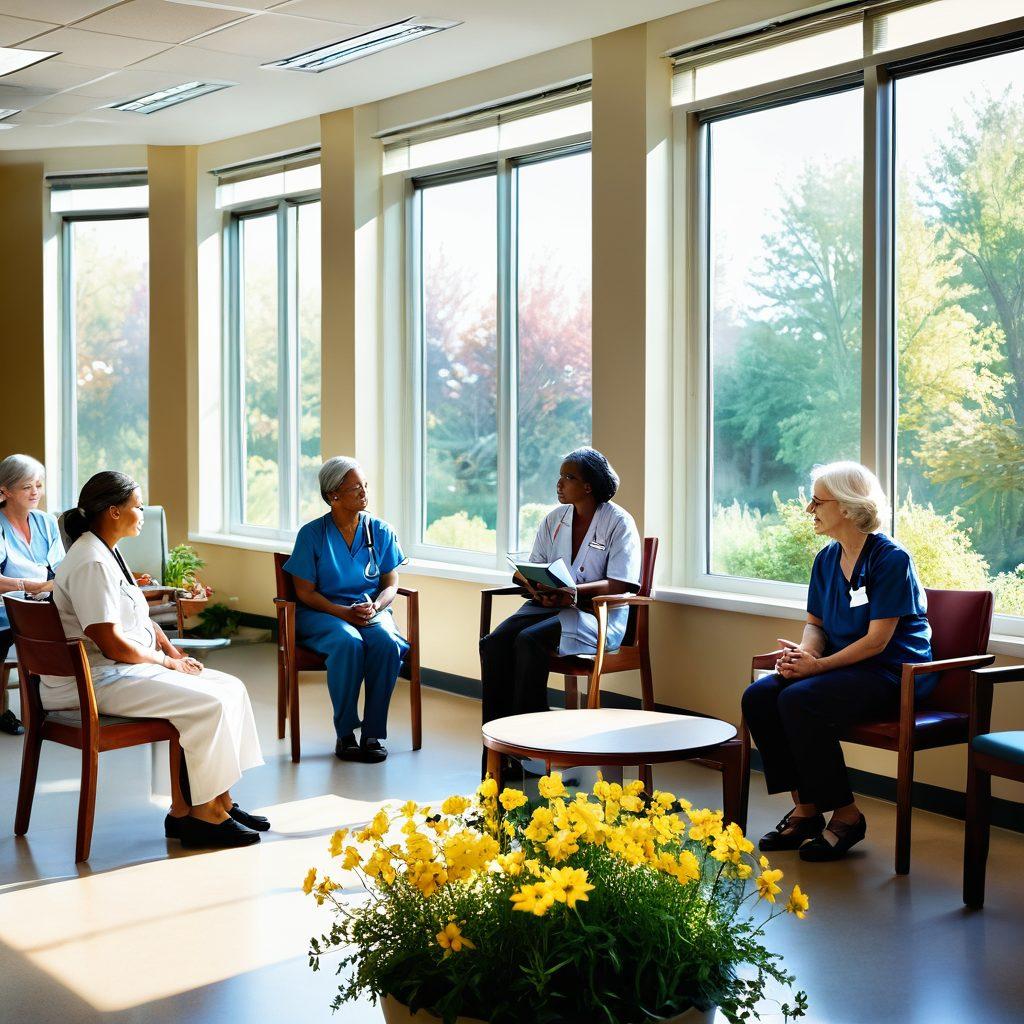
The emotional toll of a cancer diagnosis is profound, making mental health for cancer patients equally important as physical health. It's not uncommon to feel overwhelmed, but the power of community support can be a game changer. Support groups provide a safe space for sharing personal experiences, while wellness programs can enhance overall well-being through holistic health strategies. And let's not forget the importance of survivorship; knowing that many have walked this path before you can inspire a sense of belonging and hope. How might connecting with others who understand your struggles transform your experience?
Nutrition for cancer patients also plays a crucial role in feeling empowered on your journey. Incorporating lifestyle changes that focus on balanced diets can aid in symptom management and overall health. Think of it as a way to fuel your body for the fight ahead. What if you discovered that your choices around food could influence your energy levels and resilience during treatment? Additionally, palliative care options might be invaluable resources for managing symptoms without compromising your quality of life. Armed with knowledge about nutrition and wellness, you can take charge of your health in ways that feel both proactive and fulfilling.
Lastly, the journey to empower yourself is never truly over. Fundraising for cancer research contributes to a larger community drive toward better treatment and prevention strategies. Every dollar helps pave the way for new insights and breakthroughs, reinforcing that cancer care is a shared mission. As you navigate your cancer journey, remember the power of patient advocacy; your voice is critical, not just for yourself, but for others who follow. So, what will you do today to take charge of your cancer care? Empowering yourself through knowledge could be the best decision you ever make.
Finding Hope and Support: The Role of Community in Cancer Care
In the journey through cancer care, hope often becomes the quiet hero that stands beside patients in their darkest hours. Take a moment and imagine the vast, daunting landscape of oncology—a realm filled with complex terminology, daunting treatments like chemotherapy and radiation therapy, and the heavy weight of a cancer diagnosis. Yet, amidst this maze, the role of community support emerges as a beacon of light. By sharing personal experiences and providing practical assistance, communities foster an environment rich in hope and resilience. So, how does this community aspect truly shape the cancer care experience?
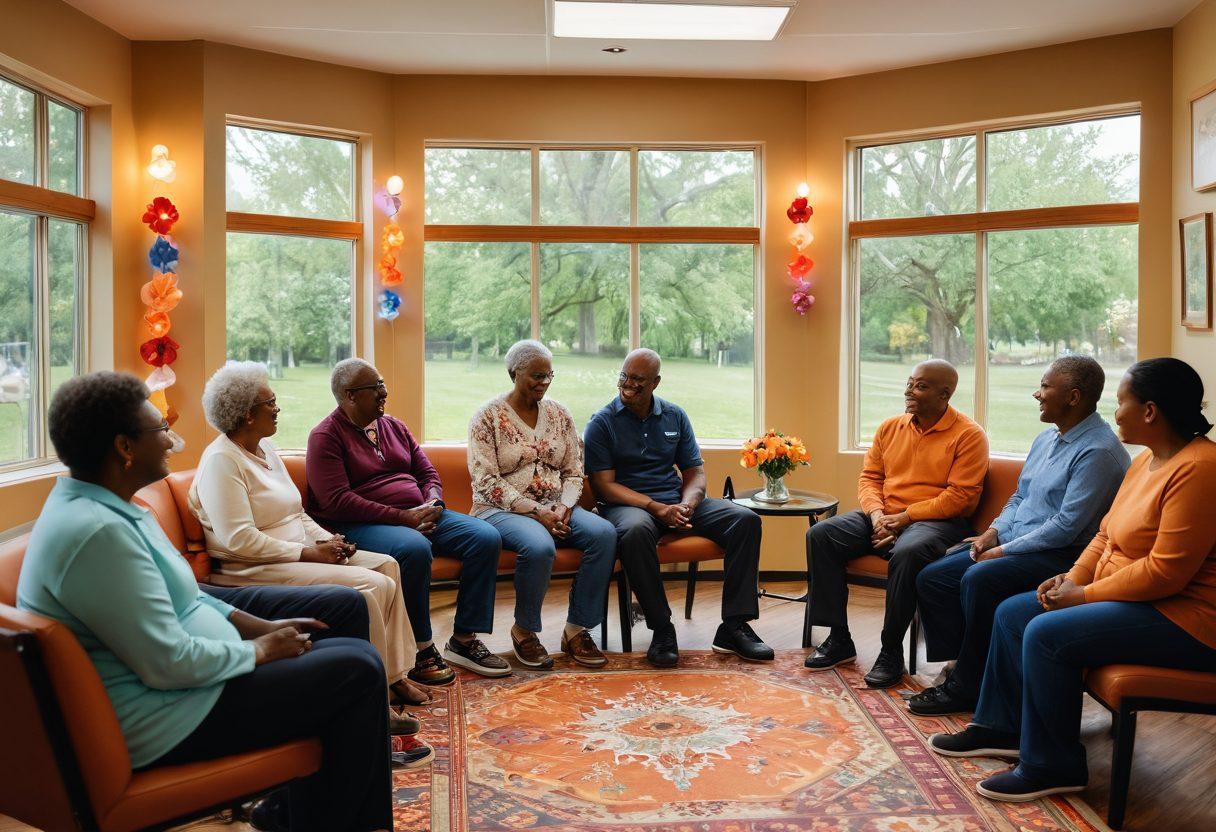
Community involvement plays a monumental role in cancer care by providing emotional and practical support to patients. Support groups can be lifelines, offering a sense of belonging to those navigating the turbulent waters of treatment—be it surgeries, immunotherapy, or the daunting prospect of a malignant tumor. The strength found in shared stories and experiences can be transformative; after all, who better understands the emotional and physical toll of cancer than someone who has faced similar challenges? The mere act of listening to cancer survivor stories can inspire hope and a will to fight. What if you could influence the way someone else perceives their journey simply by sharing your narrative?
Moreover, community support extends into wellness programs and health information initiatives. These resources offer invaluable education on symptom management, lifestyle changes, and nutrition for cancer patients. Imagine being part of a workshop that demystifies the intricacies of palliative care or learning about preventive measures that can reduce cancer risks in the future. Educating oneself and others about clinical trials and research advancements can empower patients to take the reins of their health journey. Are you tapping into local health blogs or online health resources that provide nuggets of wisdom and experience?
The mental health for cancer patients is another critical component where community plays a vital role. Patients frequently find themselves coping not only with physical challenges but also with the psychological impacts of their diagnosis. Finding hope in community support can help to alleviate feelings of isolation, anxiety, and fear. Activities such as group therapy or local fitness classes tailored for cancer survivors can provide not just physical benefits but also emotional relief through connections with others who truly understand. Have you considered how a simple conversation could help lift someone’s spirits when they feel overwhelmed by the weight of their circumstances?
Finally, fundraising for cancer research and awareness campaigns shows how communities unite in the fight against cancer. Every dollar raised translates to advancements in treatment and preventive measures for future generations. Whether through events, charity runs, or donations, committing to such causes can significantly impact the broader cancer care landscape. By coming together, communities are not just supporting patients; they are participating in a revolutionary movement of advocacy and change. Isn’t it inspiring that each small effort contributes to monumental strides in the world of oncology? Whether you’re a patient or a supporter, remember that every step taken towards a supportive community is a step towards hope and healing.
Transformative Treatments: Exploring the Latest Advances in Cancer Therapy
Every journey with cancer is unique, filled with uncertainty and emotional upheaval, yet every story is imbued with resilience and hope. Have you ever wondered what transformative paths are available in the world of oncology? The narrative of cancer care has evolved dramatically, swaying between the realms of daunting diagnoses and empowering advancements that aim to restore wellness. Today, we explore the latest revolutions in cancer therapy that not only promise to potentially eradicate malignant cells but also celebrate the spirit of survivorship. From chemotherapy to cutting-edge immunotherapy, the options seem abundant, yet navigating through these treatments can feel overwhelming. Let’s dive into this fascinating landscape of cancer treatment and discover how you or a loved one can harness these advancements for improved health outcomes.
Recent notable advancements in cancer therapy have painted a more encouraging picture for patients facing a cancer diagnosis. One of the most crucial developments lies in immunotherapy, which harnesses the body’s own immune system to attack tumors. Imagine your immune system as a powerful army, equipped to battle those malignant invaders, empowered by groundbreaking therapies. These innovations are not just changing lives; they are transforming the conversation around cancer prevention and treatment. Have you heard of patient advocacy groups that promote understanding and access to these therapies? They not only help spread awareness about the latest research advancements but also foster community support for those navigating their lifelong battles with cancer.
The relationship between mental health and cancer cannot be understated. As cancer patients navigate their treatment pathways, it’s essential to prioritize wellness programs that address emotional and psychological needs while pursuing conventional therapies such as radiation and chemotherapy. Individuals need to be proactive in symptom management while also indulging in holistic health practices and lifestyle changes. Integrating nutrition for cancer patients into their routines, being part of support groups, or simply sharing cancer survivor stories can often enhance their journey toward recovery and improve quality of life.
While many may think of clinical trials as a risky venture, they are often the gatekeepers of the most innovative treatments in oncology. Shouldn't every patient have the chance to be at the forefront of cancer research advancements? Participating in clinical trials not only provides access to novel therapies but also contributes to the collective understanding of cancer, paving the way for future preventive measures and treatments. Fundraising for cancer research often fuels these trials, making it crucial for communities to unite and support these life-saving initiatives, whether through donations or awareness campaigns.
Lastly, let’s not forget about patient education. The importance of health information extends beyond the clinic walls. Are you taking advantage of online health resources? Today, health blogs and informative platforms play a pivotal role in disseminating knowledge regarding different aspects of cancer care, empowering individuals to ask the right questions and make informed decisions about their health. By investing time in these resources, patients can transform their cancer journey into one of active participation and informed choices. With the best of medical advances and community support, cancer treatment can shift from something to fear to a journey filled with hope and possibilities.